
Artificial intelligence is no longer a futuristic concept discussed only in research labs. It is shaping industries, influencing global markets, redefining productivity, and transforming everyday digital experiences. From generative AI models and AI-powered hardware to autonomous systems and enterprise automation, the pace of innovation has accelerated dramatically.
The latest AI developments today reflect a shift from experimentation to large-scale implementation. Governments are drafting AI regulations, tech giants are racing to build more powerful foundation models, startups are creating specialized AI tools, and businesses across sectors are integrating machine learning into daily operations. This article explores the most significant AI technology updates, emerging trends, and practical implications across industries.
The Rise of Next-Generation AI Models

The latest wave of AI models is defined by multimodal intelligence, real-time reasoning, and enhanced contextual memory. Leading organizations such as OpenAI, Google DeepMind, Anthropic, and Meta are competing to build increasingly capable large language models and multimodal systems.
Recent AI systems can process and generate text, images, audio, and even video within a single unified model. This advancement significantly reduces the need for separate specialized tools. For example, multimodal AI can analyze medical scans while interpreting written clinical notes, or generate code while understanding system architecture diagrams.
Another major shift is improved reasoning. New AI systems demonstrate better chain-of-thought processing, enabling more accurate mathematical problem-solving, structured analysis, and step-by-step logic. Enterprises are particularly interested in models that provide explainable reasoning rather than black-box outputs.
Memory features are also evolving. Modern AI systems can maintain contextual awareness across longer conversations and complex workflows. This allows for persistent assistants in enterprise environments that remember project details, user preferences, and operational constraints.
Key trends in AI model development include:
- Longer context windows
- Reduced hallucination rates
- More robust safety layers
- Custom fine-tuning for industry use cases
- On-device AI deployment options
These updates mark a shift from general experimentation to practical deployment-ready systems.
AI Hardware Acceleration and the GPU Race
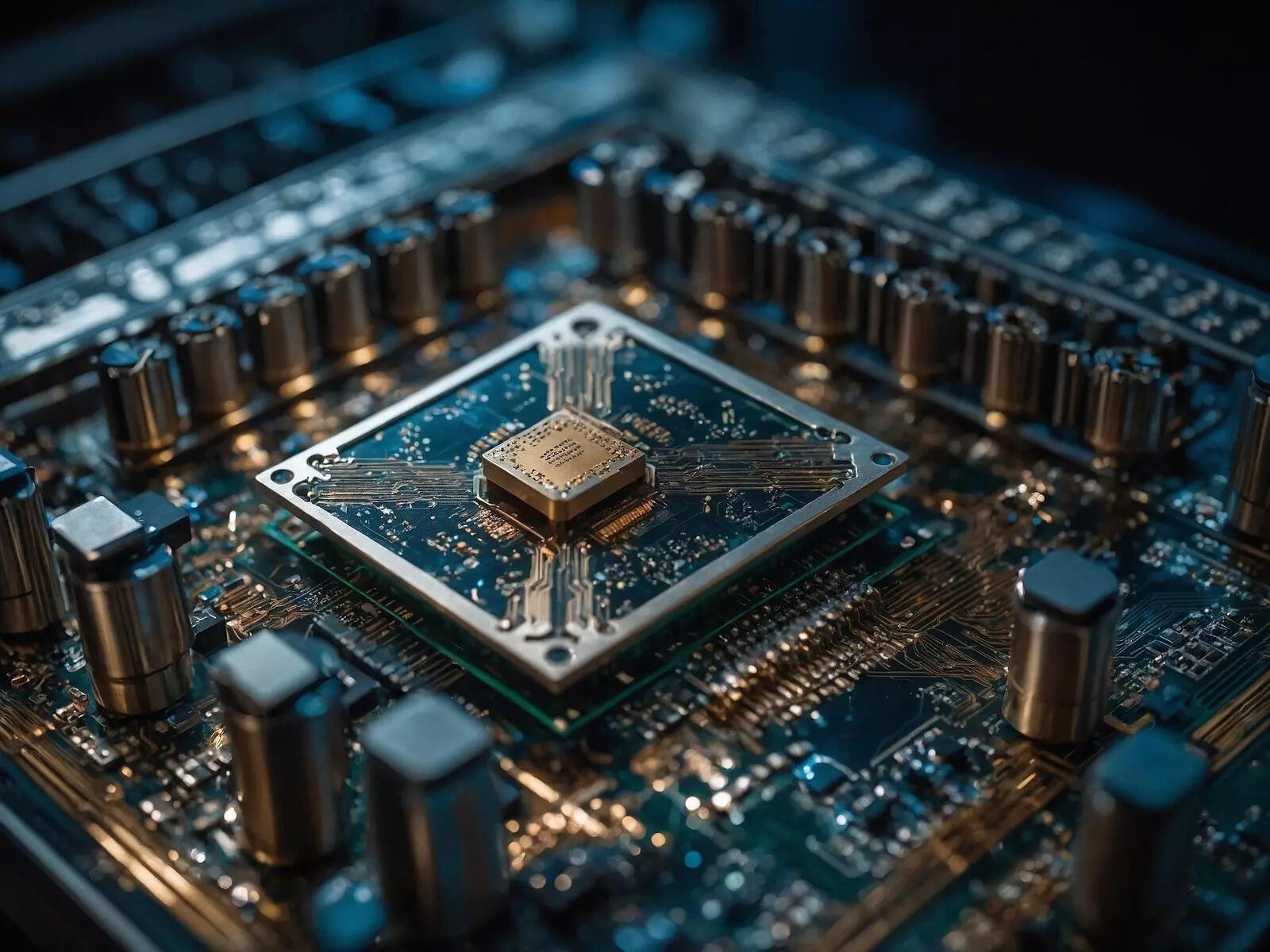
AI’s rapid growth would not be possible without massive advances in hardware. Companies like NVIDIA have become central players in the AI revolution due to their high-performance GPUs optimized for deep learning workloads.
The demand for AI compute has skyrocketed. Training large foundation models now requires thousands of GPUs running in distributed clusters across data centers. As a result, AI chips have become one of the most strategic assets in global technology infrastructure.
Recent updates in AI hardware include:
- Specialized AI accelerators with improved energy efficiency
- Custom silicon designed for inference tasks
- Edge AI chips for smartphones and IoT devices
- AI-focused cloud infrastructure scaling
Data center innovation is also evolving. Advanced cooling systems, optimized interconnect bandwidth, and modular AI clusters are becoming standard for organizations building large-scale AI solutions.
Edge AI is another breakthrough. Instead of sending all data to the cloud, AI models can now run directly on local devices. This reduces latency, improves privacy, and enhances performance for applications like autonomous vehicles, smart cameras, and wearable devices.
Enterprise AI Adoption and Automation

Enterprise adoption of AI has shifted from pilot projects to large-scale implementation. Major corporations including Microsoft and IBM are embedding AI deeply into enterprise productivity tools, analytics platforms, and cloud services.
Businesses are now using AI for:
- Automated customer service
- Intelligent document processing
- Predictive analytics
- Fraud detection
- Supply chain optimization
- Code generation assistance
One of the most significant updates is AI copilots integrated into everyday business software. These assistants help draft emails, summarize meetings, generate reports, analyze data, and automate workflows. This integration reduces repetitive tasks and increases employee productivity.
Robotic Process Automation (RPA) combined with AI has created “intelligent automation,” where systems not only follow rules but also learn patterns and adapt. For example, AI can analyze invoices, detect anomalies, and flag potential fraud without manual intervention.
The key advantage of enterprise AI today lies in scalability. Cloud-based AI services allow organizations of all sizes to access powerful models without investing in expensive infrastructure.
AI in Healthcare and Scientific Research

Healthcare remains one of the most promising areas for AI innovation. AI systems are increasingly used for medical imaging analysis, drug discovery, predictive diagnostics, and hospital workflow optimization.
Recent AI updates in healthcare include:
- Early disease detection using pattern recognition
- AI-assisted radiology analysis
- Accelerated drug molecule simulations
- Genomic data processing
Machine learning models can analyze medical scans such as X-rays and MRIs with high accuracy, supporting physicians in identifying anomalies. In pharmaceutical research, AI reduces the time required to identify potential drug candidates by analyzing millions of chemical structures computationally.
AI is also improving operational efficiency in hospitals. Predictive systems forecast patient admissions, optimize bed allocation, and manage medical supply chains more effectively.
While regulatory oversight remains crucial, the healthcare sector continues to embrace AI-driven innovation to improve patient outcomes and reduce operational costs.
Autonomous Systems and Robotics
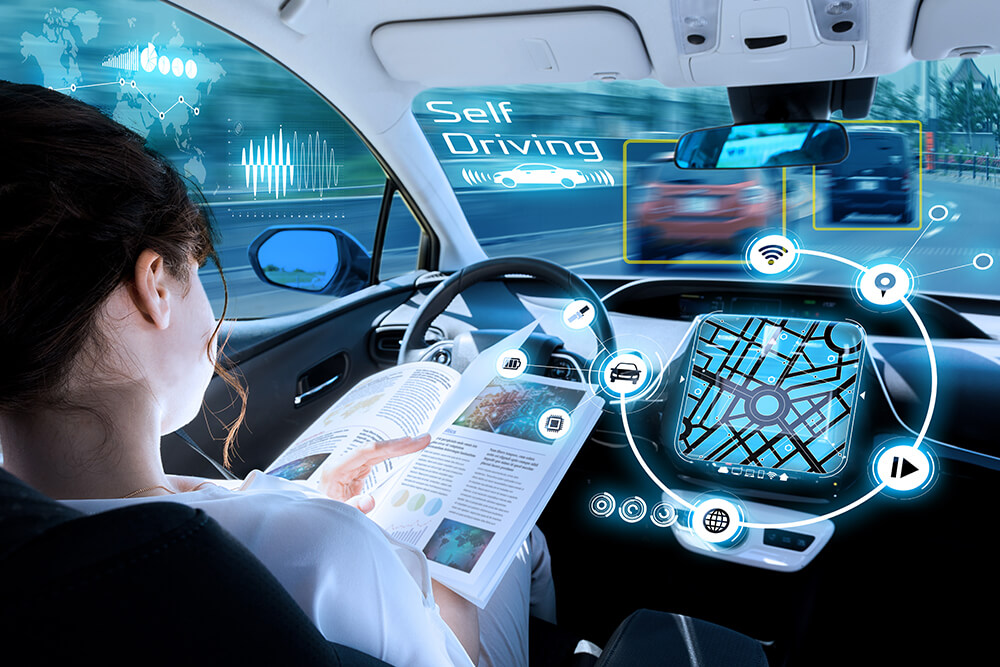
Autonomous systems have advanced significantly in recent years. Companies like Tesla are refining AI-powered self-driving systems, while robotics firms are integrating AI vision and decision-making into industrial and service robots.
Recent developments include:
- Enhanced computer vision for obstacle detection
- Real-time environmental mapping
- AI-driven robotics in warehouses
- Delivery drones powered by machine learning
AI allows machines to interpret surroundings, make split-second decisions, and adapt to unpredictable conditions. Autonomous vehicles rely on neural networks trained on massive datasets to identify road signs, pedestrians, and traffic behavior.
In manufacturing, AI-powered robots can detect defects in real time, improving quality control. In logistics, automated sorting systems powered by AI significantly increase operational efficiency.
While full autonomy in complex urban environments remains a challenge, steady improvements in safety and reliability are pushing adoption forward.
AI Regulation and Ethical Governance
As AI becomes more powerful, governments worldwide are implementing regulatory frameworks to ensure responsible development and deployment.
Key policy updates include:
- AI risk classification systems
- Transparency requirements for high-risk models
- Data privacy compliance
- Bias mitigation standards
Regulators are focusing on accountability, transparency, and explainability. The goal is to balance innovation with societal safety. AI governance now includes mandatory audits for certain applications and stricter compliance rules for sectors like finance and healthcare.
Organizations are also investing heavily in AI safety research, aiming to reduce bias, misinformation risks, and unintended consequences.
AI in Creative Industries

Generative AI has transformed creative industries, including content creation, design, music production, and filmmaking. AI tools now assist with:
- Image generation
- Video editing
- Script drafting
- Music composition
- 3D modeling
Creative professionals are increasingly using AI as a collaborative tool rather than a replacement. AI accelerates ideation, automates repetitive editing tasks, and enhances visual effects production.
However, debates continue regarding copyright, intellectual property, and content authenticity. As AI-generated media becomes more realistic, transparency about synthetic content is becoming increasingly important.
AI Cybersecurity Advancements
Cybersecurity is both strengthened and challenged by AI. AI systems can detect anomalies in network behavior, identify phishing attempts, and predict potential vulnerabilities before they are exploited.
Recent advancements include:
- Real-time threat detection
- Automated malware analysis
- Behavioral pattern recognition
- AI-powered fraud prevention
At the same time, malicious actors are also leveraging AI for sophisticated cyberattacks. This has led to an ongoing technological arms race between defenders and attackers.
Organizations are increasingly deploying AI-driven cybersecurity tools to stay ahead of emerging threats.
Comparison Table: Major AI Players and Focus Areas
AI Leaders and Their Core Innovations
| Company | Core Focus | Key Strength | Recent Trend |
|---|---|---|---|
| OpenAI | Large language models | Multimodal AI systems | Advanced reasoning and contextual memory |
| Google DeepMind | AI research & scientific discovery | Deep reinforcement learning | AI in biology and protein research |
| NVIDIA | AI hardware & GPUs | High-performance AI chips | Data center scale AI acceleration |
| Microsoft | Enterprise AI integration | AI copilots in productivity tools | Cloud AI scaling |
| Meta | Open AI research & social AI | Open-source AI models | AI for immersive experiences |
| IBM | Enterprise AI & analytics | AI for regulated industries | Hybrid cloud AI solutions |
| Tesla | Autonomous AI systems | Self-driving neural networks | Real-world driving data training |
This table illustrates how different organizations are specializing in unique aspects of AI while contributing to the broader ecosystem.
Practical Implications for Businesses and Professionals
AI’s rapid evolution presents both opportunities and challenges. Businesses that fail to adapt risk losing competitive advantage, while those that adopt responsibly can unlock significant efficiency gains.
Actionable steps include:
- Investing in AI literacy training for teams
- Evaluating AI vendors carefully
- Prioritizing data quality
- Ensuring compliance with emerging regulations
- Testing AI tools in controlled pilot environments before full deployment
Professionals should focus on developing complementary skills such as critical thinking, data interpretation, and AI system oversight rather than viewing AI as a threat to employment.
AI is increasingly becoming a collaborative tool that augments human decision-making rather than replacing it entirely.
Frequently Asked Questions (FAQ)
What is the biggest AI update this year?
The most significant development is the advancement of multimodal AI systems capable of processing text, images, audio, and video within a single unified framework, combined with improved reasoning capabilities.
Are AI jobs replacing human workers?
AI is automating repetitive tasks, but it is also creating new roles in AI oversight, data science, model training, cybersecurity, and compliance. The trend indicates transformation rather than total displacement.
How safe are modern AI systems?
Safety has improved significantly with better alignment techniques and bias mitigation strategies. However, AI systems still require human oversight and regulatory compliance.
Which industries benefit most from AI today?
Healthcare, finance, logistics, manufacturing, cybersecurity, and creative industries are currently experiencing the highest AI-driven transformation.
Is AI regulation slowing innovation?
Regulation aims to ensure responsible innovation rather than restrict growth. Clear guidelines can increase trust and encourage broader adoption.
How can small businesses leverage AI?
Small businesses can use cloud-based AI tools for customer service automation, marketing optimization, analytics, and workflow automation without investing heavily in infrastructure.
The Road Ahead: Where AI Is Heading Next
Artificial intelligence is entering a phase of consolidation and real-world application. The focus is shifting from model size alone to efficiency, safety, interpretability, and measurable business outcomes.
Several forward-looking trends are emerging:
- AI agents capable of multi-step task execution
- Decentralized AI models running on personal devices
- Energy-efficient AI architectures
- Greater human-AI collaboration frameworks
- Expansion of AI education programs
The next phase of AI innovation will likely center on reliability, domain specialization, and seamless integration into daily life. Instead of standalone AI applications, intelligence will be embedded invisibly across digital ecosystems.
AI is no longer confined to research labs or experimental platforms. It powers search engines, financial risk models, healthcare diagnostics, autonomous vehicles, and enterprise software. As infrastructure matures and regulatory clarity improves, AI adoption is expected to accelerate further.
Organizations that approach AI strategically—balancing innovation with responsibility—will gain long-term advantages. Meanwhile, professionals who cultivate AI literacy and adaptability will remain competitive in an increasingly automated world.
Artificial intelligence continues to evolve at an extraordinary pace. Today’s updates are not isolated breakthroughs but part of a broader transformation shaping economies, industries, and global innovation systems. Understanding these changes is essential for navigating the technological landscape of tomorrow.
