

Artificial intelligence has transformed content creation into a faster, smarter, and more data-driven process. In 2026, AI tools are no longer optional add-ons; they are integrated systems that assist with research, drafting, editing, design, video production, and publishing workflows. Businesses, independent publishers, agencies, and educators are all using AI to improve productivity while maintaining quality and originality.
Recent global AI adoption studies from McKinsey & Company and digital publishing insights from Pew Research Center highlight that content-driven industries are among the top beneficiaries of AI integration. At the same time, guidance from Google Search Central emphasizes that helpful, reliable, and user-focused content remains the foundation of search visibility—regardless of whether AI tools are involved.
This comprehensive guide explores the best AI tools for content creation in 2026 across writing, SEO, visuals, video, research, and workflow automation. Each tool is evaluated based on real-world application, reliability, scalability, and suitability for professional publishing environments.
Why AI Tools Are Essential for Content Creators in 2026
The digital ecosystem has become highly competitive. Millions of articles, videos, and posts are published daily. Simply producing content is no longer enough. It must be:
- Well-researched
- Optimized for search intent
- Structurally clear
- Visually engaging
- Factually accurate
- Consistent in tone and branding
Industry research from Gartner’s IT analysis division shows that AI-powered workflows significantly reduce production time while improving content personalization and strategic targeting.
However, responsible use is critical. AI tools are most effective when combined with human editing, subject-matter knowledge, and clear editorial standards.
AI Writing & Research Platforms
OpenAI (ChatGPT)
ChatGPT remains one of the most versatile AI writing platforms in 2026. It supports long-form articles, structured outlines, FAQ generation, content repurposing, and brainstorming sessions. The system is capable of analyzing large datasets and generating coherent, logically structured drafts suitable for professional publishing.
According to research updates published by OpenAI Research, modern language models are trained on diverse datasets to improve contextual accuracy and coherence. These improvements make ChatGPT particularly useful for:
- Blog drafting
- Educational content
- Technical explanations
- Structured comparison articles
- Content optimization rewriting
Best suited for: Bloggers, agencies, educators, SEO professionals, and business publishers.
Anthropic (Claude)

Claude is known for its extended context capabilities, making it particularly strong in analyzing long documents. It performs well in structured content environments such as whitepapers, policy breakdowns, and in-depth research articles.
Anthropic’s publicly documented AI safety research emphasizes predictability and alignment in outputs, which benefits users who require consistent and controlled writing results.
Best suited for:
- Technical documentation
- Research-based articles
- Long analytical posts
- Policy or regulatory content
Perplexity AI

Perplexity AI blends AI summarization with real-time search functionality. It provides citation-backed summaries, making it particularly valuable for fact-based content.
For creators focused on accuracy, this tool reduces research time while maintaining transparency. Reliable sourcing is a critical element in digital publishing standards discussed by institutions such as Nieman Lab, which emphasize credibility and traceable information.
Best suited for:
- Data-backed blog posts
- Industry trend analysis
- Research-heavy content
- Educational publishing
AI SEO Optimization Tools
Surfer SEO
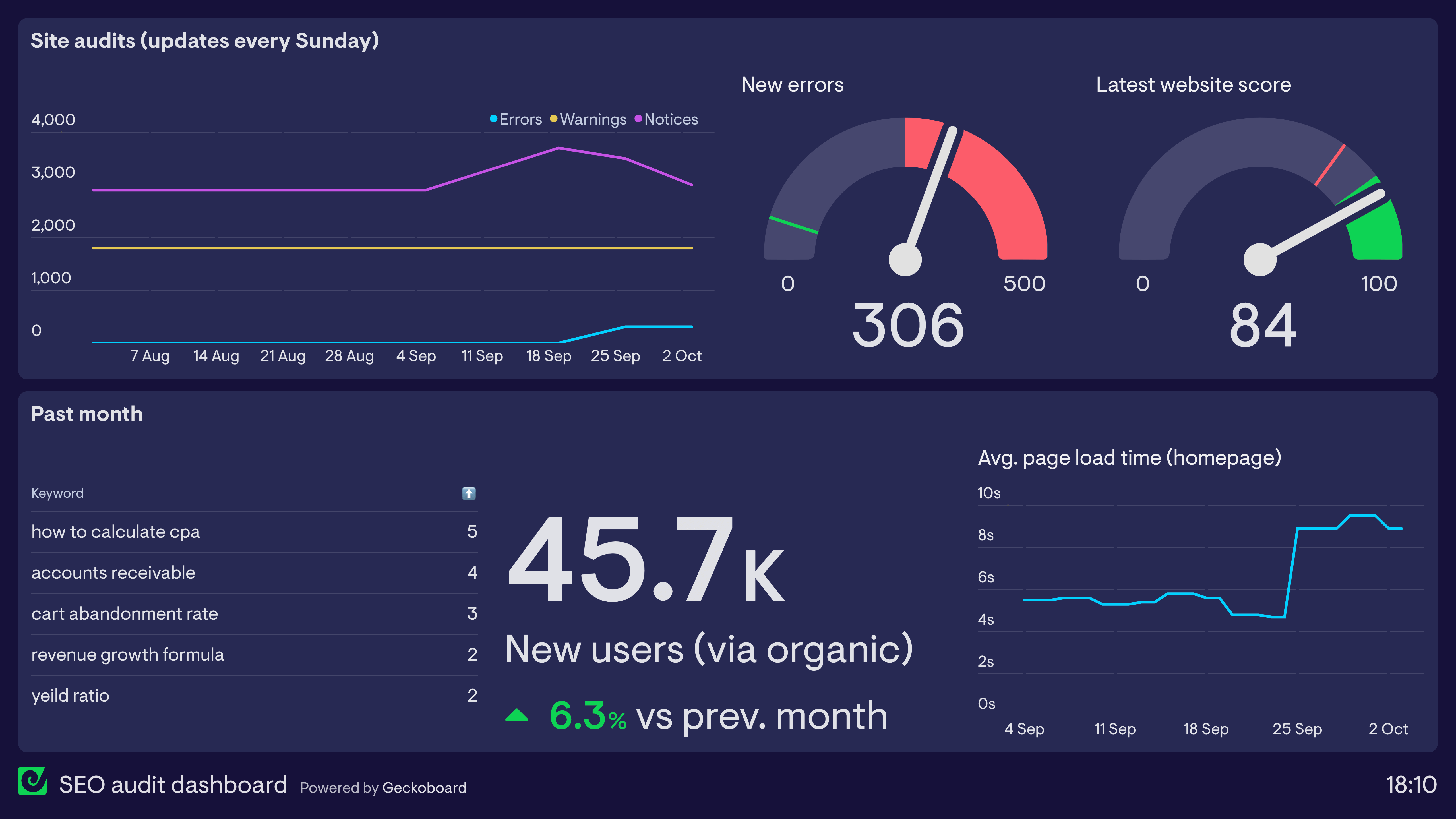
Surfer SEO analyzes top-ranking pages and offers data-driven content suggestions based on semantic keyword patterns and search intent modeling. It focuses on relevance and structure rather than outdated keyword stuffing methods.
Search documentation from Google Search Essentials reinforces the importance of user-focused, relevant content structures—an area where Surfer’s analytical recommendations align well when applied responsibly.
Best suited for:
- Niche bloggers
- Affiliate publishers
- SEO agencies
- Content strategists
Semrush

Semrush provides a comprehensive digital marketing suite that combines keyword research, competitor analysis, backlink auditing, and content performance tracking.
Its regularly updated marketing research insights help publishers align with evolving search algorithms and competitive landscapes.
Best suited for:
- Advanced SEO professionals
- Marketing teams
- Digital agencies
- Enterprise publishers
AI Image & Graphic Design Tools
Adobe (Firefly)
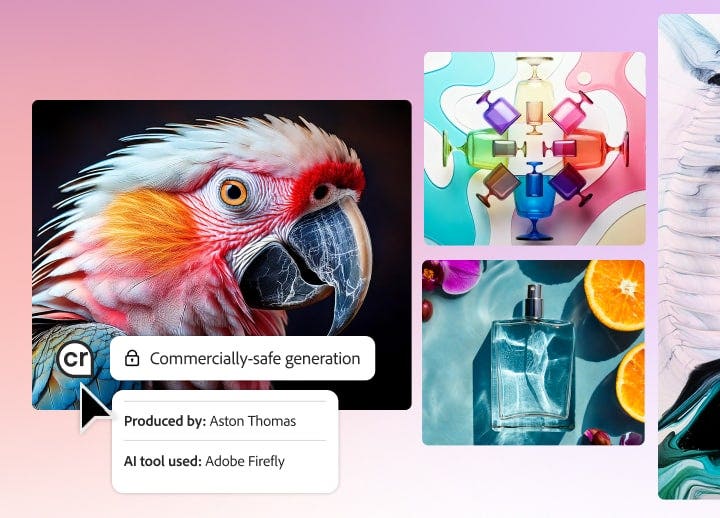
Adobe Firefly integrates generative AI into the Creative Cloud ecosystem. It enables creators to generate commercially usable visuals, vector graphics, and design elements.
Adobe emphasizes ethical training datasets and licensing transparency, making Firefly particularly suitable for professional publishing and brand-safe marketing campaigns.
Best suited for:
- Professional designers
- Branding teams
- Agencies
- Corporate publishers
Canva

Canva’s AI-powered features allow users to create graphics, infographics, presentations, and marketing visuals without advanced design expertise. Its user-friendly interface makes it highly accessible.
Best suited for:
- Bloggers
- Small business owners
- Educators
- Social media managers
AI Video & Multimedia Creation Tools
Runway

Runway offers advanced generative video capabilities including text-to-video production, background removal, and AI-powered editing. As video continues to dominate digital media consumption, tools like Runway enable efficient production workflows.
Industry statistics from Statista’s Online Video research show sustained growth in video consumption globally, making AI-powered video tools strategically important.
Best suited for:
- YouTube creators
- Online course producers
- Marketing teams
- Video editors
Descript
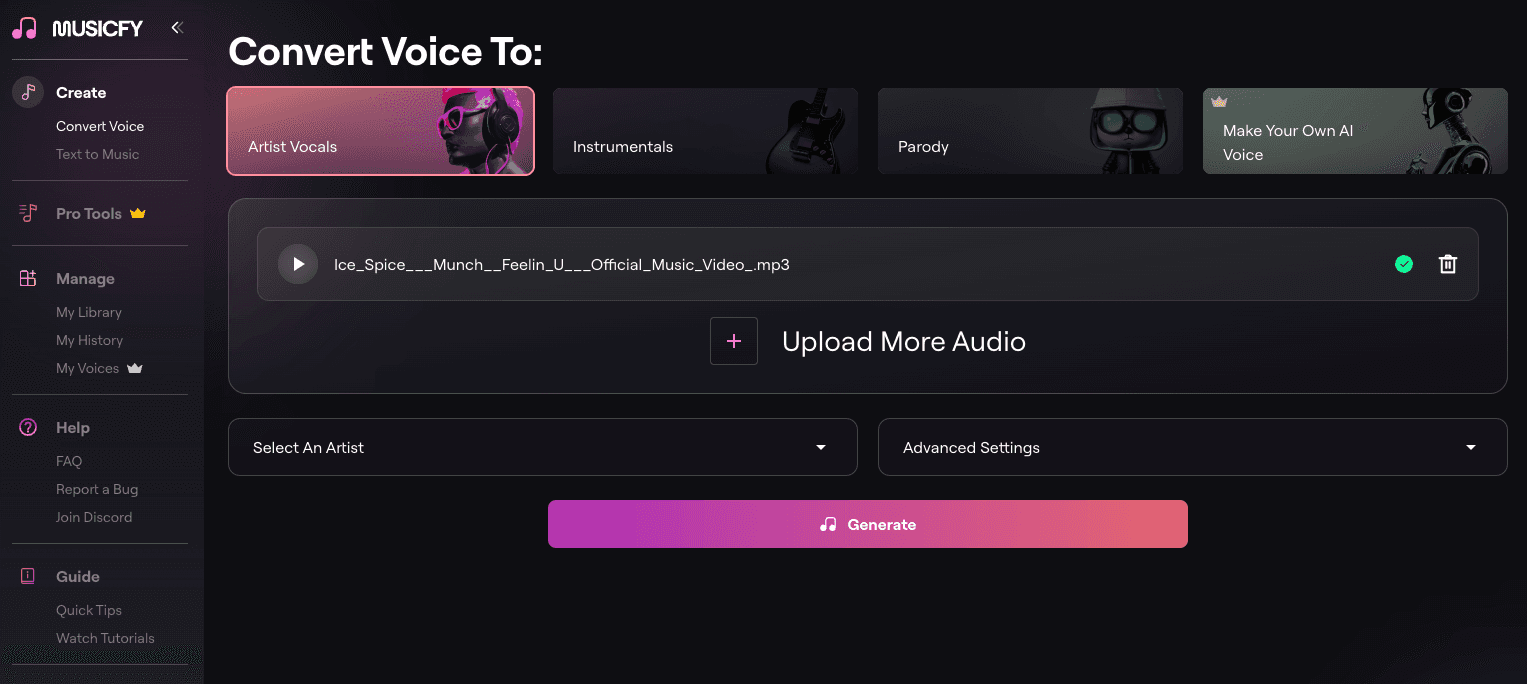
Descript allows users to edit video and audio content by modifying transcripts. It includes voice cloning, filler word removal, and automated transcription features.
Best suited for:
- Podcasters
- Educators
- Interview-based content creators
- Webinar producers
AI Workflow & Planning Tools
Notion (Notion AI)

Notion AI integrates content drafting, summarization, and planning inside a collaborative workspace. It helps editorial teams maintain structure, track publishing schedules, and centralize research.
Best suited for:
- Content teams
- Agencies
- Editorial departments
- Startup marketing teams
Comparison Table: Best AI Tools for Content Creation 2026
| Tool | Primary Function | Best For | Strength Level | Skill Level |
|---|---|---|---|---|
| ChatGPT | Writing & drafting | Bloggers, marketers | Very High | Beginner–Advanced |
| Claude | Long document analysis | Researchers | High | Intermediate–Advanced |
| Perplexity AI | Research & citations | Data-focused writers | High | Beginner–Advanced |
| Surfer SEO | Content optimization | SEO creators | High | Intermediate |
| Semrush | Marketing analytics | Agencies | Very High | Advanced |
| Adobe Firefly | Professional design | Brands | High | Intermediate |
| Canva | Quick graphics | Beginners | High | Beginner |
| Runway | AI video editing | Video creators | High | Intermediate |
| Descript | Podcast/video editing | Podcasters | High | Beginner–Intermediate |
| Notion AI | Workflow management | Teams | High | Beginner–Advanced |
Frequently Asked Questions
Are AI-generated articles acceptable for search engines?
Search engines evaluate content based on usefulness, originality, accuracy, and user value. AI-assisted content is acceptable when it meets quality standards and provides meaningful information.
Can AI replace professional writers?
AI enhances productivity and drafting speed, but editorial oversight, subject knowledge, and strategic thinking remain essential components of authoritative publishing.
What is the best AI tool for beginners?
ChatGPT and Canva offer intuitive interfaces and broad functionality, making them strong entry-level tools.
Is AI content reliable?
AI outputs should always be reviewed and fact-checked. Tools that provide references improve transparency, but human validation remains necessary.
How many AI tools should a content creator use?
Most professionals combine two to four tools depending on workflow needs—typically one writing tool, one SEO tool, and one design or video tool.
Final Thoughts
In 2026, AI tools are integral to modern content creation. From drafting long-form educational articles to generating video assets and optimizing search performance, these platforms significantly enhance efficiency and scalability.
However, true success depends on thoughtful implementation. AI tools perform best when paired with editorial standards, fact verification, structured workflows, and audience-focused strategies.
The most effective content creators are not those who rely entirely on automation, but those who combine AI-driven efficiency with professional judgment and quality control. By selecting the right combination of writing, research, SEO, design, and multimedia tools, publishers can build a sustainable, high-quality content ecosystem that remains competitive in the evolving digital landscape.

